

Dyslexia Evaluations College Students and Adults
When learning challenges create questions, our nationally certified evaluation specialists provide answers that make a difference.




Trusted by K-12 Public and Private Schools Nationwide
Accepted by 650+ Universities & Colleges
22+ years of Expertise
Serving all 50 states
Why Our Approach Works
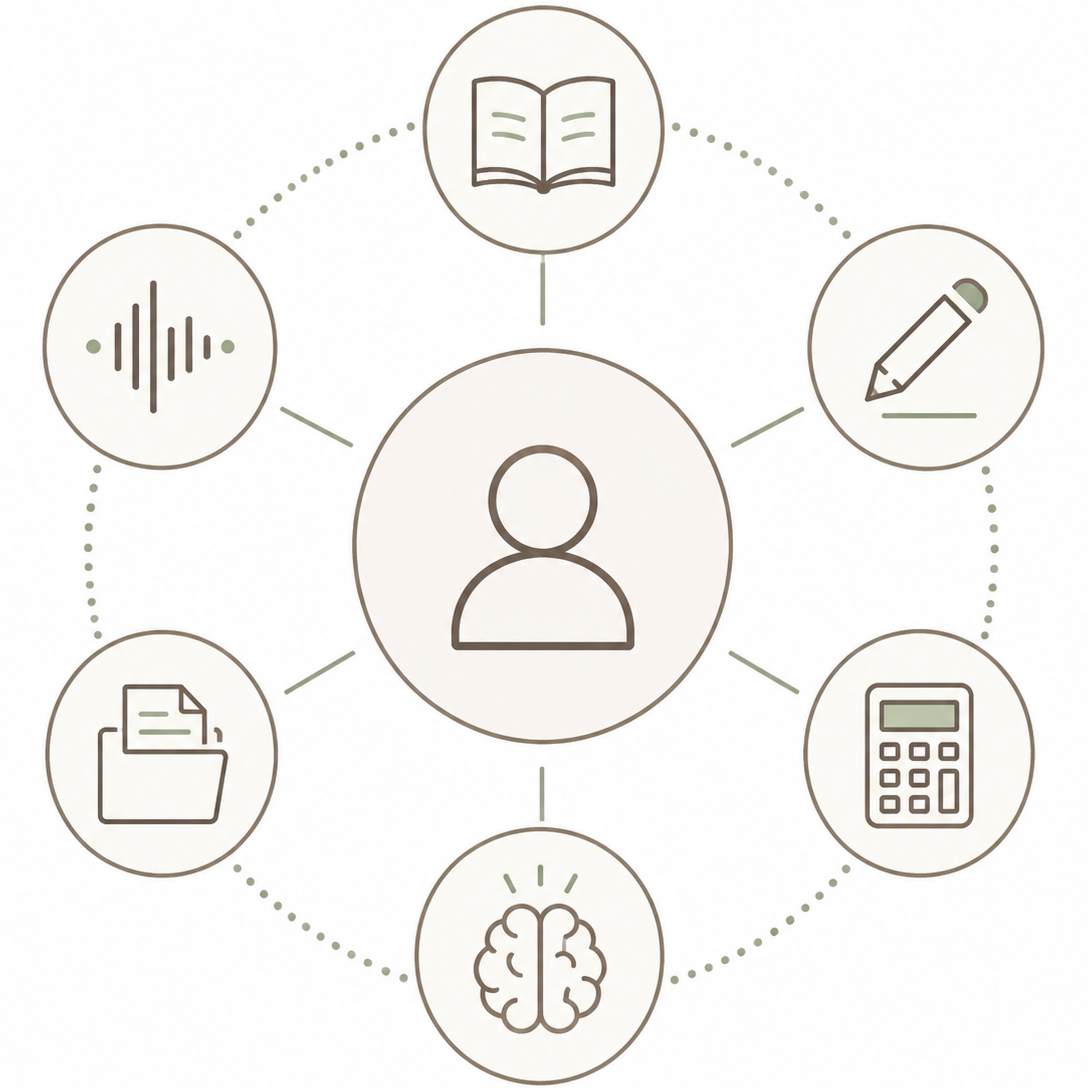
Our dyslexia evaluations are part of a comprehensive psychoeducational assessment, not a single-skill screening. We look closely at reading, phonemic awareness, writing, math, attention, memory, processing, and learning history to better understand what may be impacting progress.
By looking at the whole person—not just one score—we provide accurate diagnoses, clear answers, and recommendations you can use to support success in school, work and beyond.
After the Evaluation: Creating a “Road Map” for Success
Let us help you become the expert in your own success—at school, work, and beyond.
Within 10 to 14 working days, you’ll meet with a Diagnostic Learning Director to review the results. During this meeting, the director explains findings and recommendations in clear, practical terms and walks you through recommendations that can be shared with schools, employers, testing organizations, and other appropriate professionals.
Your written report becomes a valuable tool you can use to:
• Request college disability accommodations,
• Share documentation with professors or employers,
• Support standardized testing accommodation requests, and
• Build a personalized plan for ongoing success.

What is Dyslexia?

/Dis-lek-see-uh/
Dyslexia is a learning disorder that affects how the brain processes language— making it difficult to connect sounds and letters to form words.
Adults and college students with dyslexia may read more slowly, struggle with unfamiliar words, and experience spelling or writing challenges that create stress in academic and professional environments. The symptoms of dyslexia can look much different in an adult than in a child because adults have oftentimes developed compensatory strategies that may mask some of the more basic symptoms.

Note: Dyslexia is not about reversing letters or reading backward. It primarily involves differences in phonological processing that affect reading accuracy and fluency.

Red flags of Dyslexia
Reading Challenges:
Difficulty reading quickly under pressure, trouble with complex vocabulary, slow reading speed, preference for audiobooks or spoken instructions.
Writing and Spelling:
Inconsistent spelling, frequent errors in written work, difficulty proofreading, avoidance of writing-heavy tasks.
Coping Mechanisms:
Heavy reliance on spell-check, dictation tools, or asking others for help; strong verbal or problem-solving skills used to compensate.
Other Signs:
Challenges with organization, time management, and remembering written instructions; frustration or self-consciousness about reading and writing.
Did You Know? Dyslexia often goes undiagnosed into adulthood. Many adults believe they are simply “bad readers,” when they are actually misunderstood learners. Dyslexic thinkers frequently excel in creativity, problem-solving, and big-picture thinking— making early identification and support life-changing.