

Dysgraphia Evaluations College Students and Adults
When learning challenges create questions, our nationally certified evaluation specialists provide answers that make a difference.




Trusted by K-12 Public and Private Schools Nationwide
Accepted by 650+ Universities & Colleges
22+ years of Expertise
Serving all 50 states
Why Our Approach Works
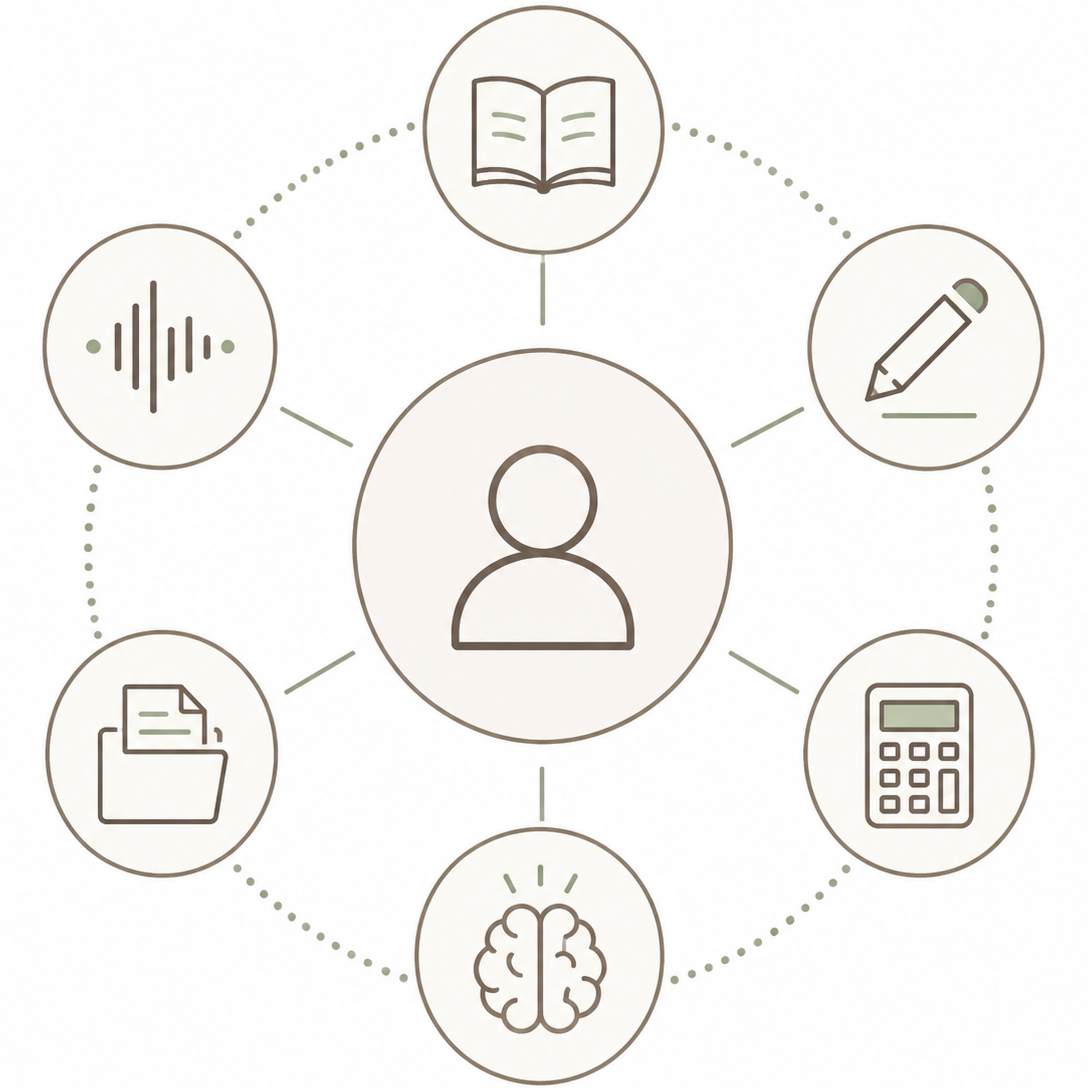
Our dysgraphia evaluations are part of a comprehensive psychoeducational assessment, not a single-skill screening. We look closely at reading, phonemic awareness, writing, math, attention, memory, processing, and learning history to better understand what may be impacting progress.
By looking at the whole person—not just one score—we provide accurate diagnoses, clear answers, and recommendations you can use to support success in school, work and beyond.
After the Evaluation: Creating a “Road Map” for Success
Let us help you become the expert in your own success—at school, work, and beyond.
Within 10 to 14 working days, you’ll meet with a Diagnostic Learning Director to review the results. During this meeting, the director explains findings and recommendations in clear, practical terms and walks you through recommendations that can be shared with schools, employers, testing organizations, and other appropriate professionals.
Your written report becomes a valuable tool you can use to:
• Request college disability accommodations,
• Share documentation with professors or employers,
• Support standardized testing accommodation requests, and
• Build a personalized plan for ongoing success.

What is Dysgraphia?

/Dis-gra-fee-ah/
Dysgraphia is a learning disability that affects written expression and fine motor coordination.
Adults with dysgraphia may struggle with note-taking, writing emails, completing forms, or tasks requiring precise motor control. Dysgraphia is more than messy handwriting; it can impact your ability to express ideas clearly on paper.

Note: Dysgraphia is not a sign of intelligence or effort. It is a neurological condition that affects writing and fine motor processing.

Red flags of Dysgraphia
Writing is difficult to read, even to the writer
Fine motor skill challenges (buttons, small tools, precise movements)
Difficulty with sequential steps or multi-step tasks
Spatial organization challenges (layouts, alignment, spacing)
Avoids handwriting; prefers typing or dictation
Frequent spelling errors
Switching letter styles (upper/lowercase/print/cursive)
Hand pain, fatigue, or cramping after short writing periods
Did You Know? Many adults with dysgraphia are strong verbal communicators and creative thinkers. Evaluation helps adults access tools like speech-to-text and accommodations that make writing more efficient and less stressful.
Why Get Tested for Dysgraphia as an Adult?
An official diagnosis can open the door to workplace accommodations, assistive technology, and strategies that make daily writing tasks easier. Whether you're a college student requiring extended time on exams or a professional seeking ways to improve efficiency, testing is the first step toward receiving the support you need.
Don’t let dysgraphia hold you back—take the first step toward clarity and confidence today.