

ADHD Evaluations for Students
When learning challenges create questions, our nationally certified evaluation specialists provide answers that make a difference.




Trusted by K-12 Public and Private Schools Nationwide
Accepted by 550+ Universities & Colleges
21+ years of Expertise
Serving all 50 states
Why Our Approach Works
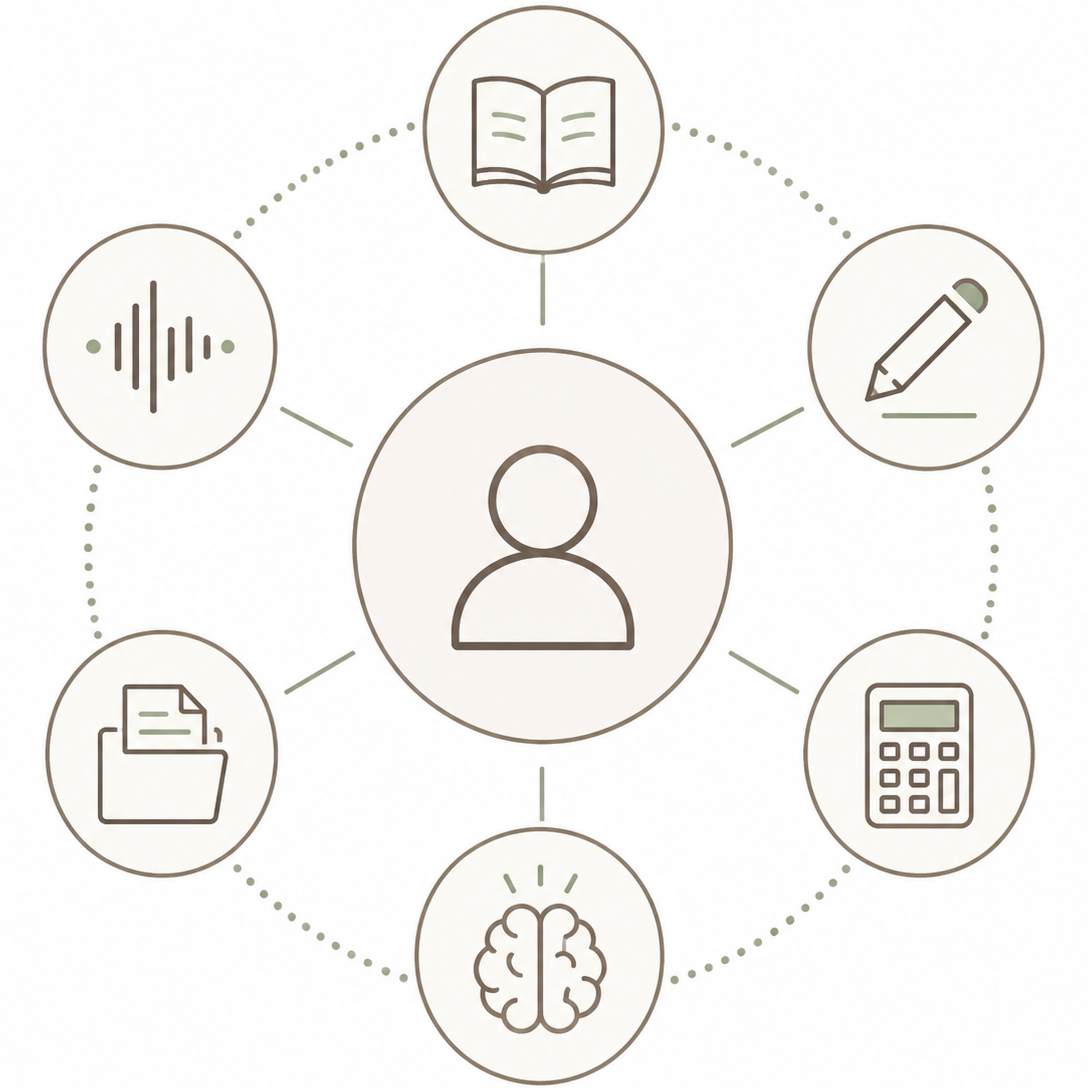
Our ADHD evaluations are part of a comprehensive psychoeducational assessment, not a single-skill screening. We look closely at reading, phonemic awareness, writing, math, attention, memory, processing, and learning history to better understand what may be impacting a student’s academic progress.
By looking at the whole child—not just one score—we provide accurate diagnoses, clear answers, and recommendations families can use to support success in school and beyond.
After the Evaluation: Creating a “Road Map” for Success
Let us help you become the expert in your child’s learning
Within 10 to 14 working days, families meet with a Diagnostic Learning Services Director to review findings. During this meeting, we explain the results in clear, practical terms and walk through recommendations that can be shared with schools and support professionals.
Your report becomes a powerful tool that helps families advocate confidently and helps schools implement appropriate supports.
What Families Receive:
A clear explanation of evaluation results
Recommendations for school and home support
Documentation that can support advocacy
Guidance on possible interventions and resources

What is ADHD?
ADHD (Attention-Deficit/Hyperactivity Disorder) is a neurodevelopmental condition that affects attention, self-control, and activity levels. It often begins in childhood and can continue into adolescence and adulthood.
Students with ADHD may struggle with focus, organization, following instructions, completing tasks, or managing impulsivity. ADHD is not caused by poor parenting or lack of effort—it is linked to brain-based differences and genetics.
With proper supports, structure, and individualized strategies, students with ADHD can thrive academically and emotionally.

Note: Historically, ADD and ADHD were considered separate diagnoses, with ADD describing inattentive symptoms and ADHD describing hyperactive symptoms. Today, ADD is no longer a recognized diagnosis. ADHD is the current diagnosis and includes three presentations: Inattentive, Hyperactive/Impulsive, and Combined.
There are 3 types of ADHD
What are the signs and symptoms of each type?
Predominantly Inattentive Type
Careless mistakes / misses details
Difficulty sustaining attention
Seems not to listen
Doesn’t follow through on instructions
Organization challenges
Avoids sustained mental effort
Loses things
Easily distracted
Forgetful in daily activities
Predominantly Hyperactive/Impulsive Type
Fidgets/squirms
Difficulty staying seated
Restlessness
Difficulty playing quietly
“Driven by a motor”
Talks excessively
Blurts answers
Difficulty waiting/turn-taking
Interrupts or intrudes
Combined Type
Meets criteria for both inattentive and hyperactive and/or impulsive patterns.
Did You Know? Students with ADHD are often bright, creative, and capable. Early identification and appropriate supports can improve academic outcomes, emotional well-being, and confidence.

The Qb Check
As part of our comprehensive evaluation, we may administer the Qb Check, an FDA-approved objective measure that assesses attention, impulsivity, and activity level. This is used alongside additional standardized and clinical measures to support accurate diagnostic conclusions.